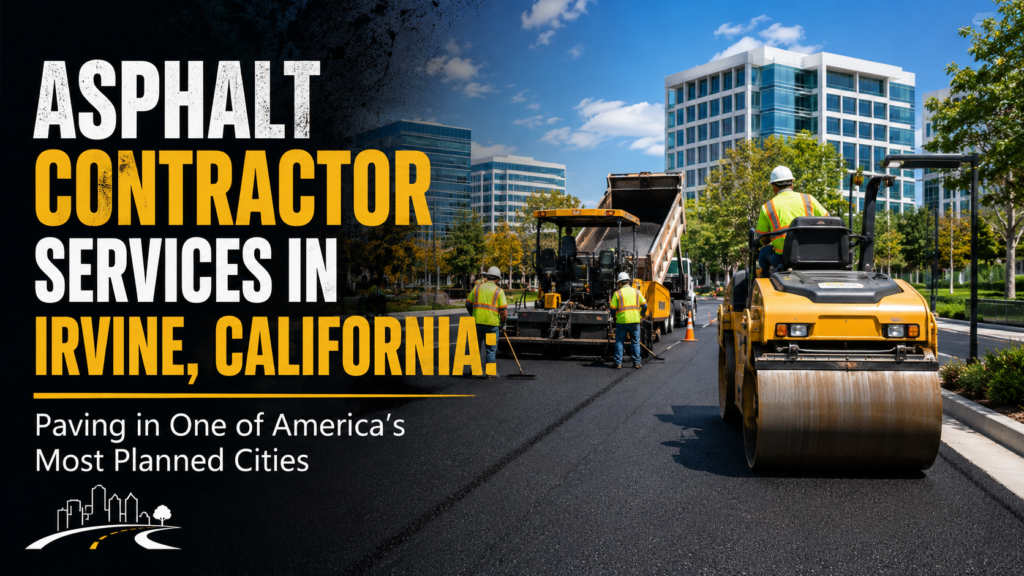
Irvine, California is unlike almost any other city in the United States. Master-planned from the ground up beginning in the 1960s on land once owned by the Irvine Company, the city is organized around a deliberate framework of villages, greenbelts, business corridors, and one of the nation’s most extensive networks of parks and trails. With a population now exceeding 300,000 and a corporate and academic presence anchored by the University of California Irvine and the Irvine Business Complex, the city generates constant and diverse demand for asphalt paving services from the residential driveways of its carefully designed village communities to the expansive parking infrastructure of its tech campuses, retail centers, and medical facilities. Understanding what Asphalt Contractor Irvine do in Irvine, how the city’s specific character shapes that work, and what makes pavement perform in Orange County’s climate helps property owners and facilities managers make sound infrastructure decisions.
The Scale and Variety of Asphalt Work in Irvine
Irvine’s diverse built environment produces an equally diverse range of asphalt paving needs. The city’s homeowners association (HOA) community structure where dozens of master-planned villages each contain hundreds of homes with shared roads, driveways, and parking areas creates a significant category of community asphalt maintenance work. HOA-managed communities in Irvine regularly require coordinated resurfacing of private roadways, shared parking areas, and community access lanes, often across multiple phases to accommodate residents.
On the commercial side, Irvine’s status as one of Orange County’s primary business centers means that its retail corridors, office parks, and industrial areas all maintain large asphalt parking lots that require systematic maintenance. The Irvine Spectrum Center area, the Irvine Business Complex, and the numerous medical and research campuses near UCI all fall into this category. Commercial parking lot maintenance in Irvine often involves ADA compliance review, as California’s Title 24 accessibility requirements and federal ADA standards apply to commercial parking facilities and are enforced through the city’s building permit process.
Irvine’s Climate and What It Means for Asphalt
Orange County’s Mediterranean climate creates a specific pattern of asphalt aging and maintenance needs. Irvine receives an average of approximately 13 to 14 inches of rainfall annually, most concentrated between November and March. Summers are warm and dry, with temperatures regularly reaching into the 90s, and the city’s inland position means somewhat hotter summers than the immediate coastline experiences. This climate profile subjects asphalt surfaces to two primary stresses:
- UV oxidation: Southern California’s intense sun accelerates the breakdown of the asphalt binder the petroleum-based material that binds aggregate particles together and gives asphalt its flexibility. As binder oxidizes under UV exposure, the surface hardens, becomes brittle, and develops surface cracking. This process is the dominant aging mechanism for asphalt in Irvine, not freeze-thaw cycling as in colder climates. An unprotected asphalt surface in Irvine will begin showing visible gray oxidation and surface cracking within three to five years without sealcoating.
- Thermal cycling: While Irvine does not experience significant freezing temperatures, the daily and seasonal temperature variation warm days and cooler evenings, hot summers and mild winters causes asphalt to expand and contract repeatedly. Over years, this cycling contributes to the development of transverse cracking (cracks perpendicular to the direction of traffic flow) and the gradual widening of any existing cracks.
- Concentrated storm runoff: When Irvine’s relatively infrequent rains do arrive, the city’s extensive impervious surfaces concentrate runoff significantly. Properly designed drainage in parking lots and around driveways prevents this concentrated flow from eroding sub-base material or infiltrating through cracks to weaken the base layer.
Residential Asphalt Paving in Irvine’s Village Communities
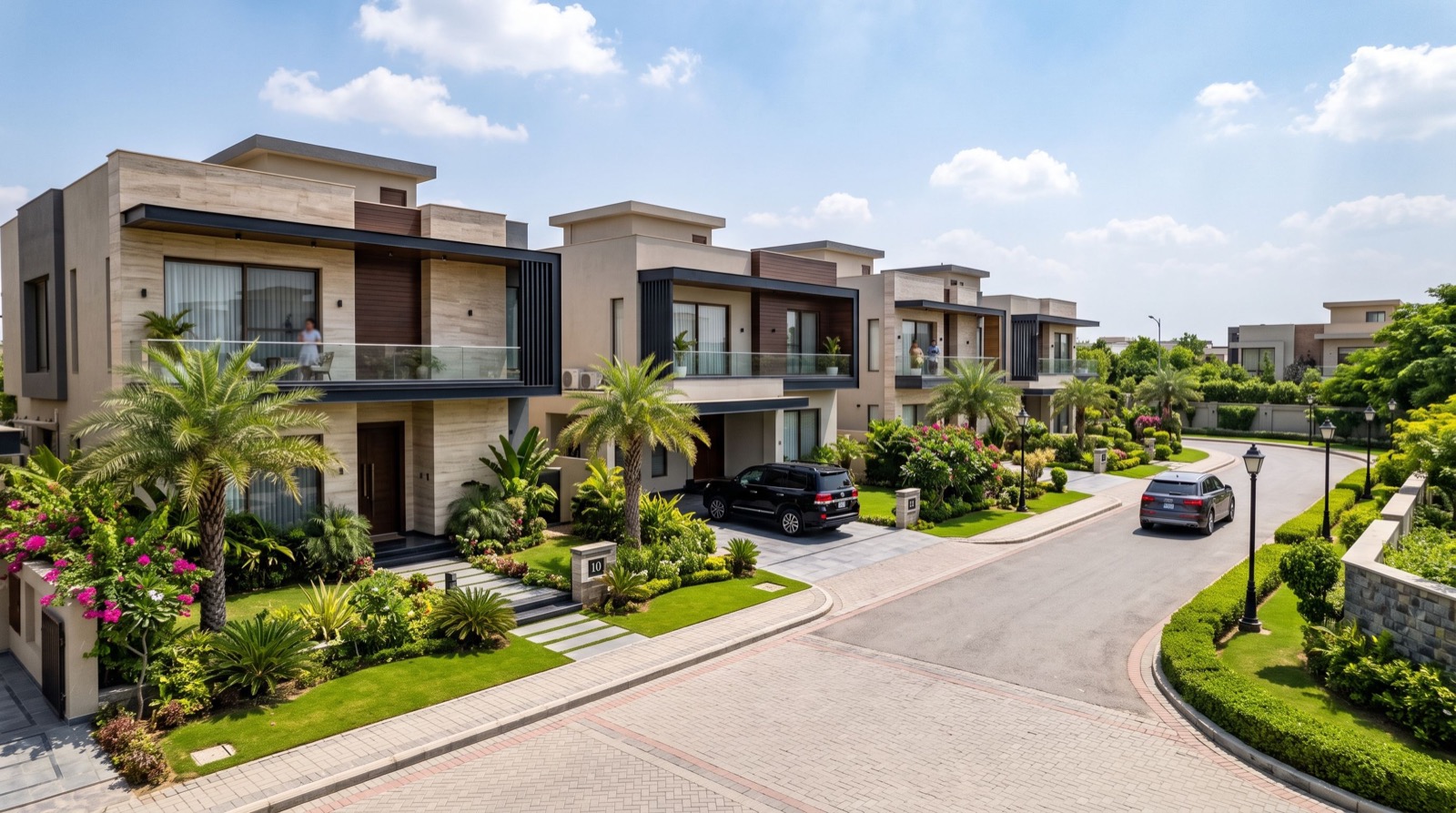
Irvine’s residential structure is organized around a system of planned villages Woodbridge, Northwood, Westpark, Turtle Rock, University Park, Stonegate, and many others each with its own community association, architectural standards, and private street and amenity infrastructure. This organization creates specific paving contexts for residential asphalt work in the city.
Private streets within Irvine’s HOA communities are maintained by the associations themselves rather than by the City of Irvine, which maintains only public streets. This means HOA boards and their professional managers must plan and fund periodic resurfacing of community roadways a significant capital expense that is ideally budgeted in advance through reserve fund planning. Asphalt contractors working in Irvine’s HOA communities are experienced in the coordination requirements of these projects: phased implementation to minimize disruption to residents, clear communication about parking restrictions during work, and compliance with the architectural and appearance standards of the community.
For individual homes within these communities, driveway paving must typically comply with HOA architectural review requirements. The material, color, and finish of a driveway may be subject to standards established by the community’s CC&Rs. Property owners planning driveway paving projects in Irvine’s HOA communities should confirm these requirements before selecting materials and scheduling work.
Commercial and Institutional Asphalt in Irvine
Irvine’s commercial and institutional asphalt maintenance market is substantial. The city is home to hundreds of businesses, dozens of major employers, and the significant infrastructure of UCI all of which maintain asphalt parking lots and access roads that require regular attention.
Commercial parking lot maintenance in Irvine follows a structured cycle that mirrors best practices throughout Southern California:
- Annual inspection: Visual assessment of surface condition, drainage function, and ADA compliance. Identifying emerging issues before they become structural failures.
- Crack sealing: Applying rubberized asphalt sealant to cracks as they develop typically annually or every two years to prevent water infiltration into the base layer.
- Sealcoating: Applying a protective surface coating every two to three years to shield the asphalt binder from UV oxidation, restore the surface’s dark appearance, and seal minor surface porosity.
- Restriping: Refreshing parking space lines, directional arrows, ADA spaces, fire lane markings, and other functional markings after sealcoating and as needed for visibility.
- Overlay/resurfacing: Applying a new asphalt surface course when the existing surface has deteriorated beyond the effectiveness of maintenance treatments but the base remains structurally sound.
- Full replacement: Removing and rebuilding the complete pavement structure when base failure has occurred.
Irvine’s City of Irvine design and development standards govern the layout and drainage design of commercial parking lots, and any significant paving work that modifies drainage patterns or parking configuration may require permits from the city’s Planning and Community Development Department.
Asphalt Mix Design for Orange County’s Climate
Not all asphalt is the same. The performance-grade binder used in asphalt must be specified for the temperature range of the location where it will be installed. In Irvine and Orange County, California’s Department of Transportation (Caltrans) has established performance-grade binder specifications for Southern California that account for the region’s hot summer temperatures. Pavement surface temperatures in Irvine can reach 140 to 160 degrees Fahrenheit on the hottest summer days well above ambient air temperature requiring asphalt binders that maintain sufficient stiffness at these temperatures to resist rutting under vehicle loads.
Caltrans’ Superpave (Superior Performing Asphalt Pavements) mix design framework governs the specification of asphalt for California roads and is widely adopted as the standard for commercial and institutional paving work in the region as well. Contractors working in Irvine who are familiar with Caltrans specifications bring the material knowledge required to produce pavement that performs reliably in Orange County’s demanding thermal environment.
The City of Irvine’s Pavement Innovation
Irvine stands out among California cities for its active engagement with pavement sustainability. The city has implemented a Cool Pavement Pilot Program using DuraShield Solar Reflective a pavement coating that reduces surface temperature by reflecting sunlight rather than absorbing it. This program, which made Irvine the first Orange County city to apply solar reflective pavement, aligns with the city’s broader Climate Action and Adaptation Plan and addresses the urban heat island effect that asphalt surfaces contribute to in dense urban areas.
For property owners and facility managers in Irvine, this municipal leadership in pavement innovation signals the direction of best practices in the region. Reflective coatings, permeable paving in appropriate applications, and materials chosen for heat reduction are becoming increasingly relevant considerations in Irvine’s paving market.
California Contractor Licensing Requirements
All asphalt contractors performing work in Irvine must hold a current license from the California Contractors State License Board (CSLB). For asphalt paving work, the relevant license classifications are Class C-12 (Earthwork and Paving) and, for some broader site work projects, Class B (General Building Contractor). California requires that any project with a combined labor and materials value of $500 or more be performed by a licensed contractor. Property owners should verify current CSLB license status available on the CSLB website before engaging any contractor for asphalt work in Irvine.
Conclusion
Asphalt contractor services in Irvine are shaped by the city’s distinctive master-planned character, its diverse mix of residential HOA communities and major commercial and institutional properties, and the specific demands of Orange County’s Mediterranean climate. Understanding the full range of what asphalt contractors do from residential driveway installation through commercial parking lot maintenance cycles to the material specifications required by California’s Caltrans standards positions Irvine property owners and facility managers to make informed decisions about one of their most essential and most visible property assets.